If you’ve been dealing with ongoing worry, anxious feelings, or persistent anxiety symptoms, you may be wondering what getting help actually looks like. The truth is, anxiety treatment is often more supportive, personalized, and effective than people expect.
Anxiety disorders are among the most common mental health conditions, affecting both adults and children. These mental disorders are characterized by excessive fear, worry, and physical symptoms that can interfere with daily life, relationships, and overall mental health.
The good news? With the right care, most people experience real improvement. Here’s what treatment typically looks like—and how to take the first step.
Ready to start anxiety treatment? We’re here to help you take the first step.
Understanding Anxiety and Getting a Diagnosis
The first step in treating mental health conditions is getting a clear and accurate diagnosis.
A mental health professional will assess your symptoms and determine whether you’re experiencing a specific condition, such as:
- Generalized anxiety disorder
- Panic disorder
- Social phobia (social anxiety disorder)
- Specific phobias
During an evaluation, your provider may:
- Explore your anxiety symptoms and triggers
- Assess how symptoms affect your daily life
- Rule out related physical conditions
- Ask about family history (including blood relatives) and past experiences
This process helps create a personalized treatment plan designed around your needs, goals, and lifestyle.
The Two Main Types of Anxiety Treatment
Most effective anxiety treatment plans focus on two core approaches. These are considered the two main treatments for anxiety disorders, and they’re often most effective when used in combination.
1. Psychotherapy
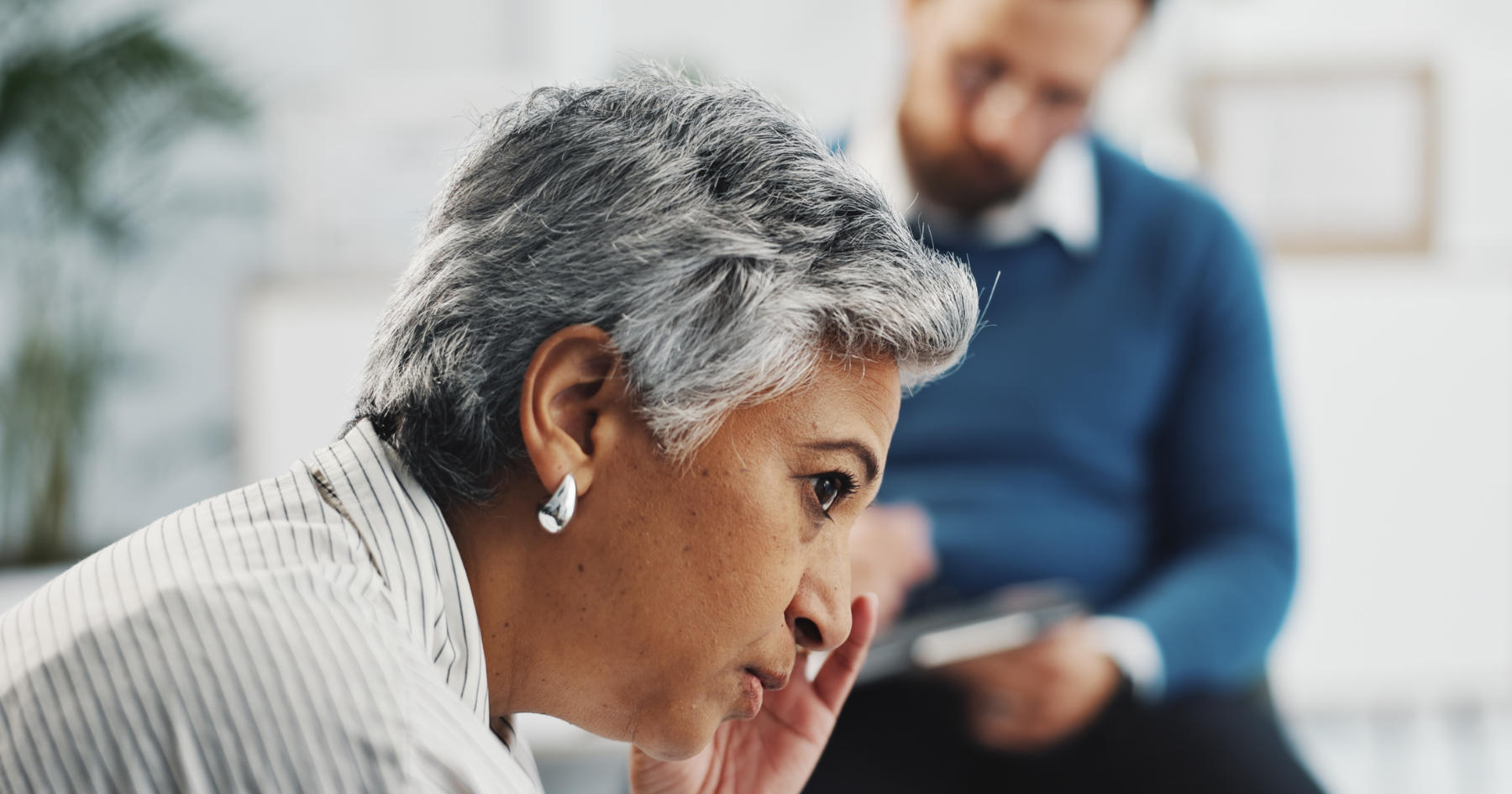
Also known as talk therapy, this is widely considered the gold standard for treating anxiety.
Common approaches include:
- Cognitive behaviour therapy (CBT): Helps you identify and change unhelpful thought patterns that fuel worry and fear
- Exposure therapy: Gradually helps you face fears in a safe environment, reducing avoidance and helping you build confidence
- Behaviour therapy: Focuses on changing patterns that reinforce anxiety
CBT, in particular, is one of the most effective treatments for anxiety disorders, helping individuals develop practical coping strategies and improve how they respond to stressful events.
2. Medication
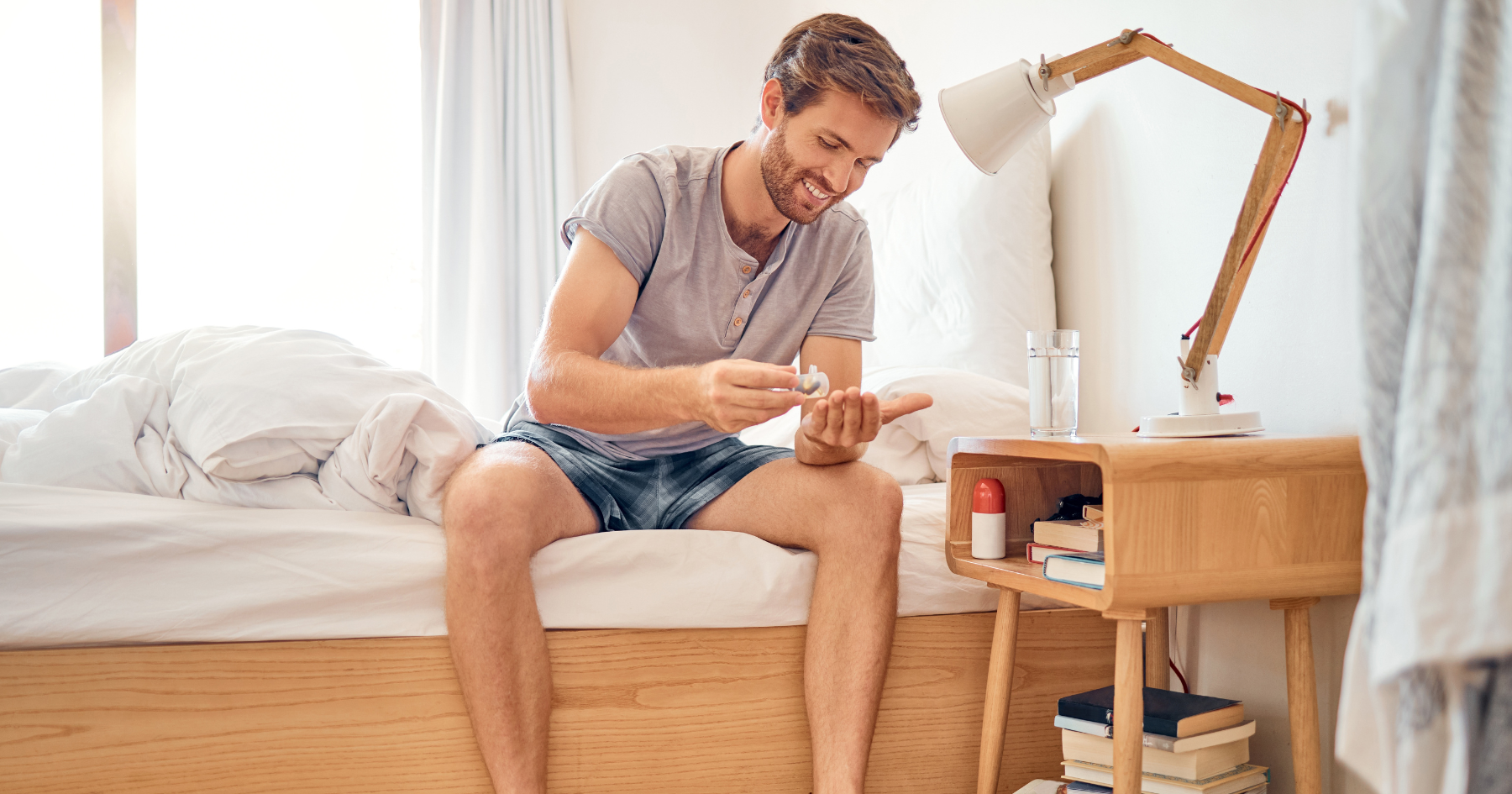
Medication can play an important role in managing anxiety disorders, especially when symptoms are moderate to severe.
Common options include:
- Antidepressants (such as SSRIs and SNRIs), which help regulate mood and address chemical imbalances
- Short-term medications for severe anxiety or panic attacks
While some medications provide short-term relief, others build effectiveness over time, often taking 2–6 weeks to begin working.
Medication is always prescribed thoughtfully, and your provider will monitor how it affects your symptoms, mood, and overall health.
What a Treatment Plan Typically Includes
A strong treatment plan goes beyond just therapy or medication—it supports your whole life.
Your plan may include:
- Regular sessions with a therapist
- Medication management (if appropriate)
- Techniques like breathing techniques, mindfulness, or relaxation techniques
- Support for identifying and managing anxiety triggers
- Lifestyle guidance to help reduce anxiety
The goal is not just symptom relief, but helping you feel more confident, capable, and in control of your own life.
Lifestyle Changes That Support Anxiety Treatment
Alongside professional care, certain lifestyle changes can significantly improve outcomes.
Helpful strategies include:
- Regular physical activity to lower stress and improve mood
- Practicing mindfulness or meditation to stay grounded
- Reducing caffeine and nicotine (or working to quit smoking)
- Maintaining consistent sleep habits
- Connecting with support groups, loved ones, or trusted friends
Research shows that combining therapy, medication, and lifestyle changes creates the best treatment outcomes for many people.
When Anxiety Gets Worse
Without support, anxiety can become more intense over time.
Untreated anxiety may:
- Increase physical symptoms like muscle tension or fatigue
- Lead to avoidance of social situations
- Affect relationships and daily functioning
- Contribute to other mental health conditions, including depression or substance abuse
If your anxiety feels like it’s getting worse or interfering with your life, it’s important to seek professional help early.
How to Get Started
Taking the first step can feel overwhelming—but it doesn’t have to be.
Here’s how to begin:
- Reach out to a trusted mental health provider
- Schedule an initial evaluation
- Share your symptoms, concerns, and goals
- Work together to build a personalized plan
Starting care is one of the most important steps you can take toward improving your mental health.
Real Help for Anxiety Starts Here
Anxiety can feel isolating, but effective treatment options are available, and support makes a difference.
With the right combination of therapy, medication, and daily strategies, you can learn to manage anxiety, reduce symptoms, and build a healthier, more balanced life.
At Mind Balance Psychiatry, we provide compassionate, personalized care to help individuals understand their anxiety, develop coping strategies, and access effective anxiety treatment. Reach out to us today.