Feeling stressed is part of life, but when those feelings don’t go away or begin to interfere with your daily routine, it may be something more. Understanding the difference between anxiety and stress is an important first step toward getting the right support.
Unlike short-term stress tied to a specific event, anxiety disorders involve ongoing fear, worry, and anxiety symptoms that can impact your daily life, relationships, and overall mental health. In fact, anxiety disorders are among the most common mental health conditions, affecting both adults and children.
If you’ve been wondering whether your symptoms go beyond everyday stress, here are seven signs it may be time to explore anxiety treatment with a qualified mental health professional.
Support for anxiety starts with understanding—connect with Mind Balance today.
1. Your Worry Feels Constant (Even Without a Clear Cause)
Stress is typically tied to an external cause—like a looming deadline or a big presentation. But with generalized anxiety disorder, worry can feel constant, even when nothing specific is wrong.
You may find yourself:
- Overthinking everyday situations
- Expecting worst-case outcomes
- Experiencing a persistent feeling of fear or unease
This kind of ongoing worry is a hallmark of anxiety vs stress.
2. Your Symptoms Don’t Go Away When Stressful Events End
When you’re experiencing stress, your body usually returns to baseline once the situation resolves. But anxiety often lingers.
Even after the stressor is gone, you may:
- Continue to feel anxious or restless
- Struggle to relax in the present moment
- Notice your anxiety getting worse over time
This is one of the clearest differences between stress and anxiety—stress fades, anxiety stays.
3. You’re Experiencing Physical Symptoms
Both stress and anxiety can affect the body, but anxiety often causes more persistent physical symptoms.
These may include:
- Muscle tension
- Rapid heartbeat or chest pain
- Shortness of breath
- Fatigue or headaches
Over time, untreated anxiety and chronic stress can even contribute to physical health issues like high blood pressure.
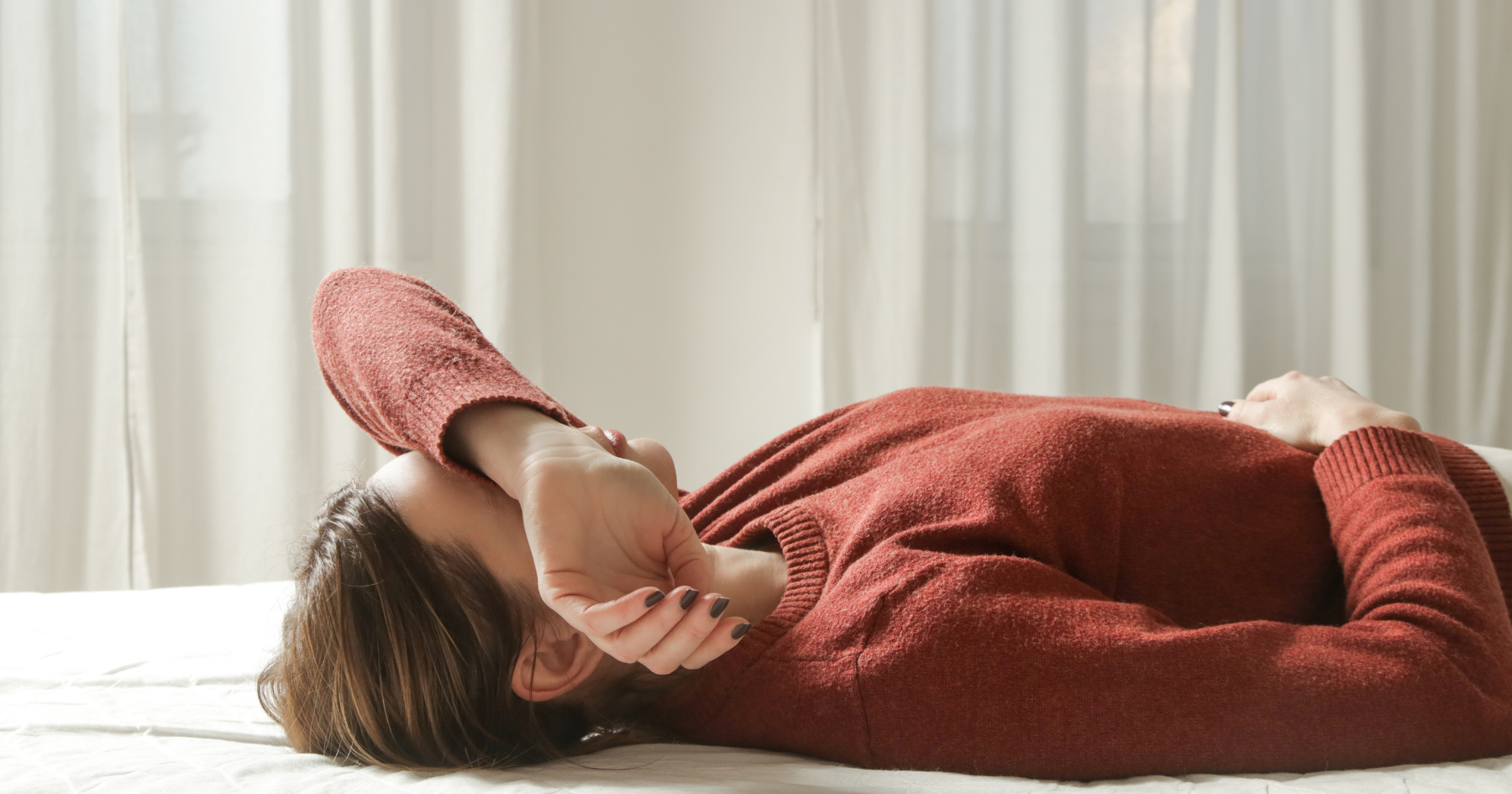
4. It’s Affecting Your Sleep and Energy
Sleep disruption is one of the most common anxiety symptoms.
You might:
- Have difficulty sleeping due to racing thoughts
- Wake frequently during the night
- Feel exhausted even after getting what should be enough sleep
When anxiety begins to disrupt sleep, it can impact both mental and physical health.
5. You’re Avoiding Situations or Responsibilities
Avoidance is a key sign of many anxiety disorders, including social anxiety disorder, specific phobias, and panic disorder.
You may start to:
- Avoid social situations
- Delay important tasks
- Withdraw from responsibilities
While avoidance may feel like a way to cope, it can increase anxiety over time and limit your ability to function in your own life.
6. Your Thoughts Feel Difficult to Control
Anxiety often shows up as intrusive or overwhelming thoughts.
You may experience:
- Constant “what if” thinking
- Difficulty concentrating
- Racing or repetitive anxious thoughts
These patterns are commonly addressed through cognitive behavioural therapy, one of the most effective treatments for anxiety.
7. It’s Interfering With Your Daily Life
The most important sign is impact. When anxiety starts interfering with your everyday life, it’s time to pay attention.
This might look like:
- Struggling at work or school
- Difficulty maintaining relationships with loved ones
- Feeling consistently overwhelmed
Chronic anxiety can significantly affect functioning, leading to social withdrawal and reduced quality of life.
What Anxiety Treatment Actually Looks Like
The good news is that anxiety treatment is highly effective. Most people improve with the right combination of care.
The two main treatments include:
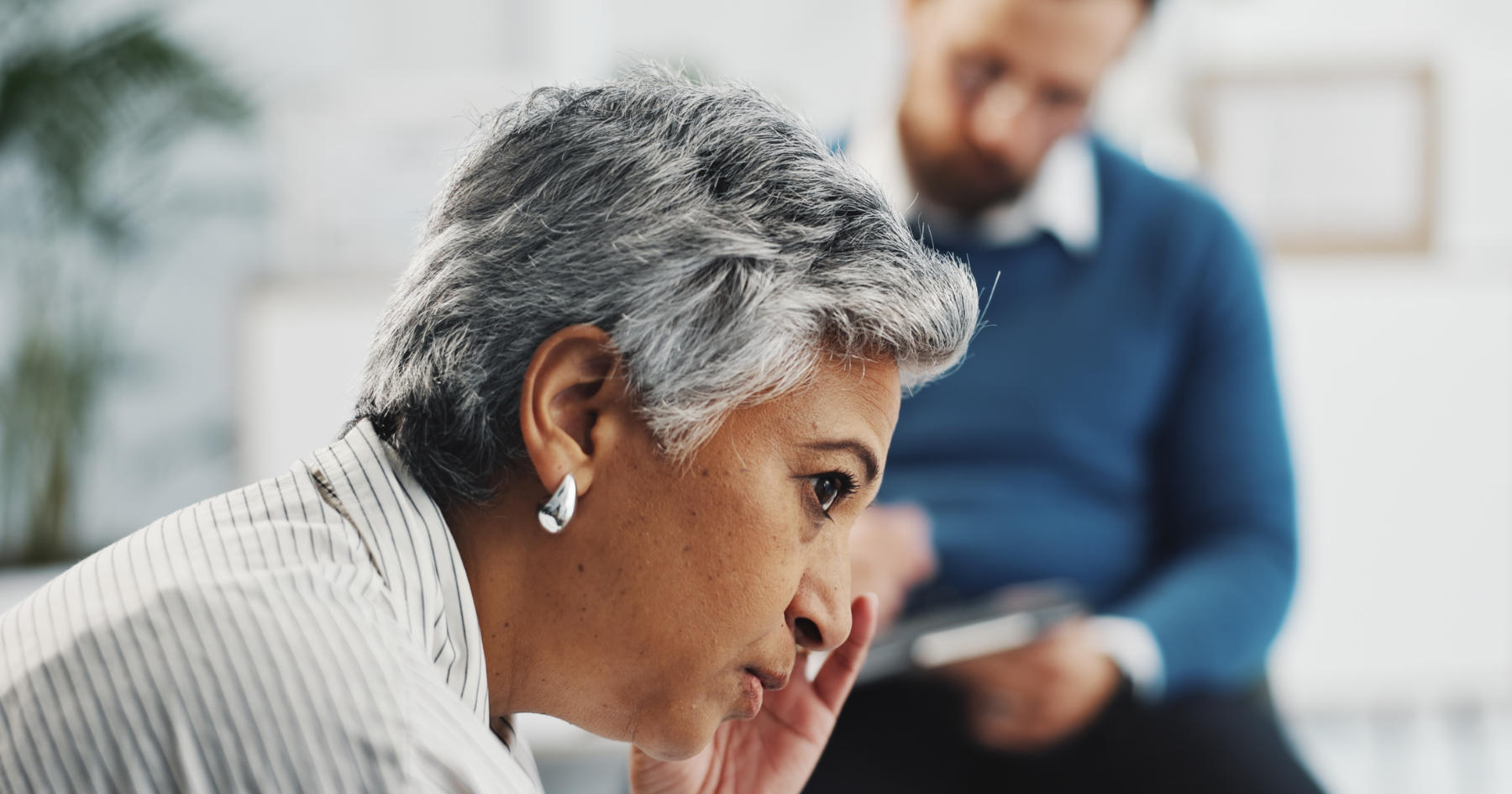
Psychotherapy (Talk Therapy)
Also known as talk therapy, this is often the first step in treating anxiety.
- Cognitive behavioural therapy (CBT) helps reframe negative thought patterns
- Exposure therapy helps you gradually face fears in a safe environment
- Techniques like deep breathing, mindfulness, and other coping mechanisms help regulate symptoms
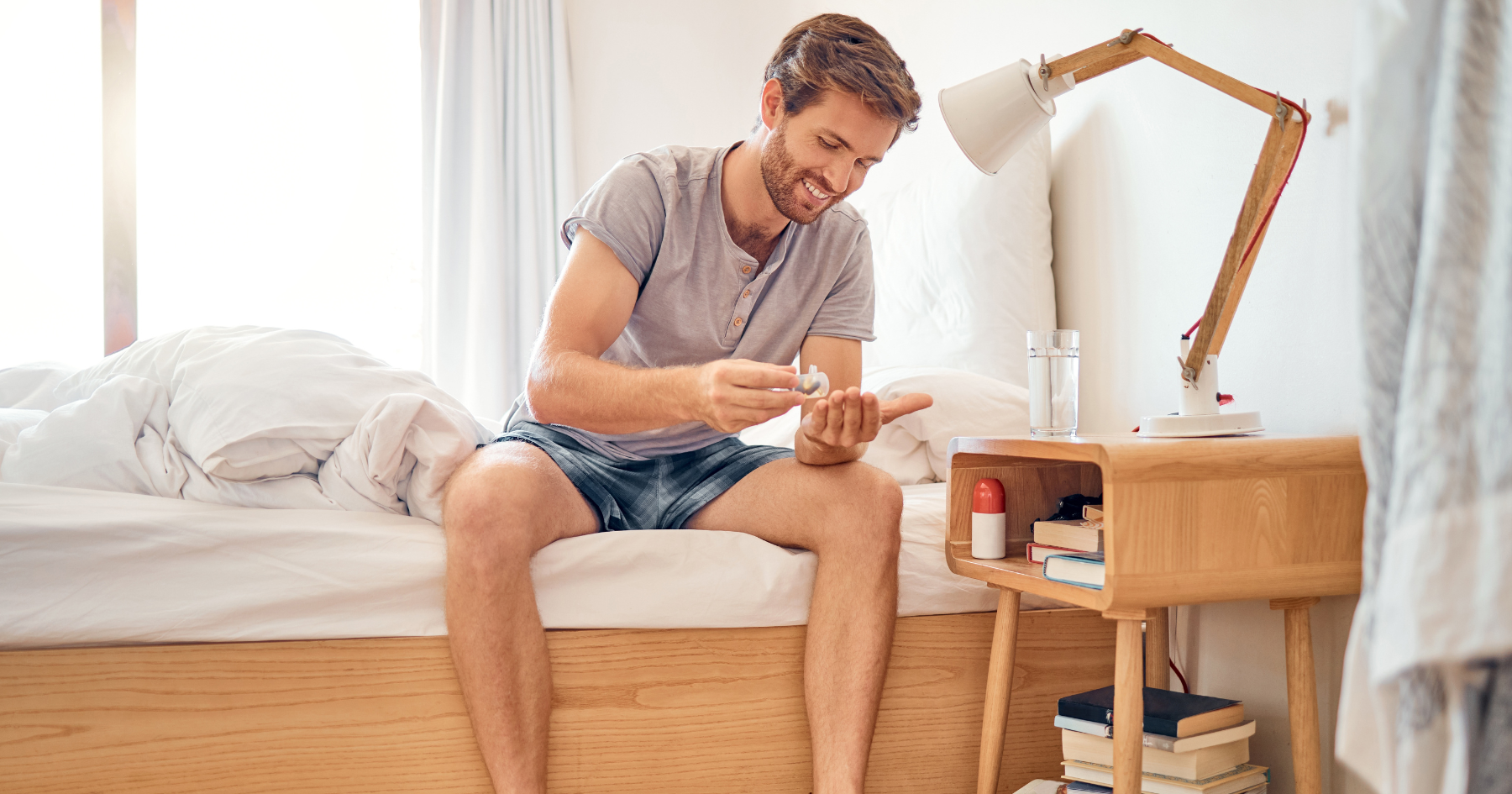
Medication
Medication can also support recovery by addressing chemical imbalances in the brain.
- Antidepressants (SSRIs and SNRIs) are commonly used
- Short-term medications may help with panic attacks or severe symptoms
For many people, a combination of therapy and medication leads to the best outcomes.
Lifestyle Changes That Can Help Reduce Anxiety
In addition to professional care, simple changes can support managing stress and anxiety:
- Regular physical activity
- Practicing mindfulness or staying grounded in the present moment
- Maintaining a balanced diet
- Reducing caffeine and nicotine (or working to quit smoking)
- Getting consistent sleep
According to research, these habits can significantly improve both stress and anxiety symptoms.
When to Seek Help for Anxiety
You don’t have to wait until symptoms are severe to seek professional help.
Consider reaching out if:
- Your anxiety is persistent or worsening
- You’re struggling to cope on your own
- It’s affecting your sleep, work, or relationships
- You’re experiencing panic attacks or severe distress
Early intervention can prevent anxiety from becoming more disruptive over time.
You Don’t Have to Manage Anxiety Alone
Stress is a normal part of life, but ongoing anxiety is something you don’t have to face on your own.
With the right treatment options, support, and tools, it’s possible to feel more in control, reduce symptoms, and improve your overall mental health.
At Mind Balance Psychiatry, we provide personalized care to help individuals understand their symptoms, build coping strategies, and access effective anxiety treatment. Reach out to us for help today.